
Password Hacking
Table of Contents
This guide explains what password hacking means, why hacked passwords put accounts at risk, common attacks such as brute force, phishing, credential stuffing, and practical prevention methods.
Quick Answer
Password hacking is the unauthorized attempt to discover, steal, guess, or crack a password to access an account or system. The most common risks include brute force attacks, phishing, credential stuffing, reused passwords, and weak account recovery settings. The best protection is to use unique strong passwords, a password manager, multi-factor authentication, breach alerts, and fast account recovery steps.
What is Password Hacking?
Password hacking, or password cracking, refers to systematically attempting to obtain a user's password to gain unauthorized access to a system.
Cyber criminals use this technique to illegally access personal accounts, steal financial data, or compromise business information.
Common targets include email accounts, social media profiles, banking systems, and corporate networks. Hackers attempt these breaches to profit from stolen data, commit fraud, or disrupt operations.
If Your Password Was Hacked
If you think your password was hacked, change it immediately from the official website or app, sign out of other sessions, enable multi-factor authentication, and review recovery email, phone number, and recent account activity. If the same password was reused elsewhere, update those accounts too because attackers often try leaked passwords on many services.
Password Cracking Techniques
Some of the most common password attacks include:
1. Brute Force Attack
A brute force attack is a straightforward yet resource-intensive method of password cracking. You systematically try each potential character combination until you find the right password. The success of a brute force attack depends on the complexity and length of the password.
2. Dictionary Attack
A dictionary attack is more effective than a brute force approach. This method involves hackers using a list of common words, phrases, or passwords to guess the target password. It relies on the predictability of human-created passwords, making it a popular choice among attackers.
3. Rainbow Table Attack

Rainbow table attack targets password hashes. Attackers use precomputed tables of password hashes and their corresponding plaintext passwords. When they gain access to a hashed password database, they can quickly look up the plaintext password for a given hash. Salting, a technique that adds random data to each password before hashing it, is a defense against rainbow table attacks.
4. Credential Stuffing
Credential stuffing involves using previously leaked username and password combinations from one service on other services. This attack is prevalent because many users reuse passwords across multiple accounts. The key to mitigating credential stuffing is using unique passwords for each service and employing a password manager.
5. Phishing Attack
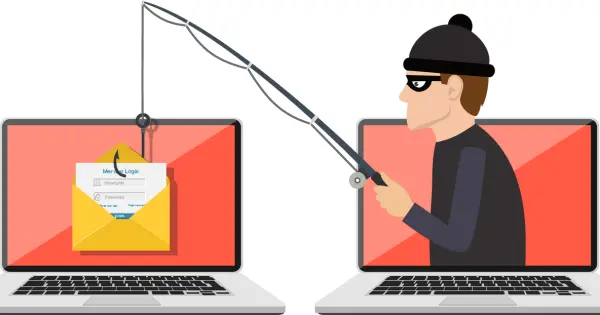
Phishing attacks often rely on social engineering to trick users into revealing their passwords willingly. Attackers send deceptive emails, messages, or websites that appear legitimate, prompting users to enter their credentials. Users can protect themselves by checking if emails and websites are real. They should also be careful when asked for sensitive information.
6. Keylogger Attack
Keyloggers, whether software or hardware-based, record keystrokes on a victim's computer or mobile device. These recorded keystrokes can include passwords and other sensitive data. Regularly updating security software and being cautious about downloading files or clicking on links from untrusted sources can help prevent keylogger attacks.
7. Man-in-the-Middle (MitM) Attack
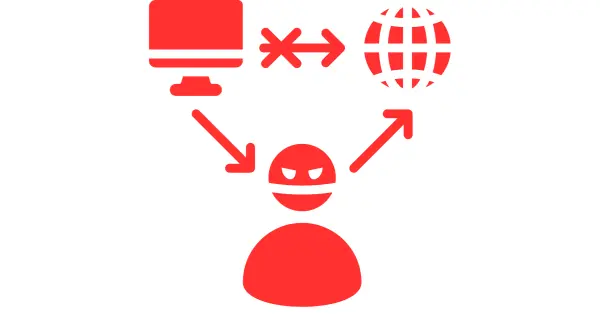
In a MitM attack, the attacker intercepts communication between two parties and captures login credentials as they are transmitted. To protect against MitM attacks, use secure communication channels like HTTPS. Also, avoid using unsecured or public Wi-Fi networks.
Password Cracking Tools
The most common tools widely used by hackers to crack passwords include:
- John the Ripper: A well-known tool for cracking passwords. It can find weak passwords using dictionary, brute-force, and rainbow table attacks.
- Hashcat: An advanced password recovery tool supporting a wide array of algorithms and able to perform pattern-based attacks.
- Cain and Abel: It can recover different types of passwords. They use methods like dictionary attacks, brute force, and cryptanalysis. Capable of cracking encrypted passwords stored in a system or retrieved from network traffic.
- Hydra: It is known for quickly attacking passwords using dictionaries. It works with over 50 protocols, like telnet, ftp, http, https, and smb.
Prevention Methods
Here are some key steps and best practices to help you prevent password hacks:
1. Use strong and unique passwords
A strong password is usually at least 12 characters long and includes a mix of uppercase letters, lowercase letters, numbers, and symbols. Each account should have its own unique password to ensure that if one is compromised, the rest remain secure.
2. Enable multi-factor authentication (MFA)
MFA adds an extra layer of security by requiring a second form of verification, such as a text message or authentication app, beyond your password. This makes it much harder for attackers to access your accounts even if they manage to obtain your password.
3. Utilize a reputable password manager
A password manager helps generate, store, and organize complex, unique passwords for every account in one secure place. This tool minimizes the need to remember every password while significantly reducing the risk of using weak or repeated passwords.
4. Regularly update your passwords
Changing your passwords periodically reduces the risk that a long-term exposure from a breach will jeopardize your account. Even if a password is compromised, updating it quickly limits the window of opportunity for unauthorized access.
5. Avoid password reuse across multiple sites
Using the same password for different accounts increases the risk that a breach on one site could lead to access on several others. Unique passwords for each account help contain potential damage if one password is ever compromised.
6. Enable account alerts and monitoring
Setting up notifications for suspicious account activity helps you quickly detect and respond to potential breaches. These alerts ensure that you are immediately aware of unauthorized access attempts and can take swift action to secure your account.
7. Educate yourself about phishing and social engineering
Learning about common phishing tactics can help you recognize and avoid deceptive attempts to steal your password. Staying informed and vigilant against these threats is key to maintaining strong overall password security.
FAQs
Summary
Password hacking is a very important topic in the field of ethical hacking and cyber security. Understanding the various techniques employed by both ethical and malicious hackers is crucial for safeguarding sensitive information and strengthening security measures.
Implementing security best practices allows organizations and individuals to strengthen their defenses against unauthorized access, protecting both systems and data from compromise.